






Table of Contents
1. goatpbn: an expert, data-driven guide
2. Goat farming basics and nutrition as a lens for content quality
3. goatpbn safety and ethical considerations
4. goatpbn FAQ
5. Conclusion and next steps for ethical goatpbn practice
goatpbn: an expert, data-driven guide
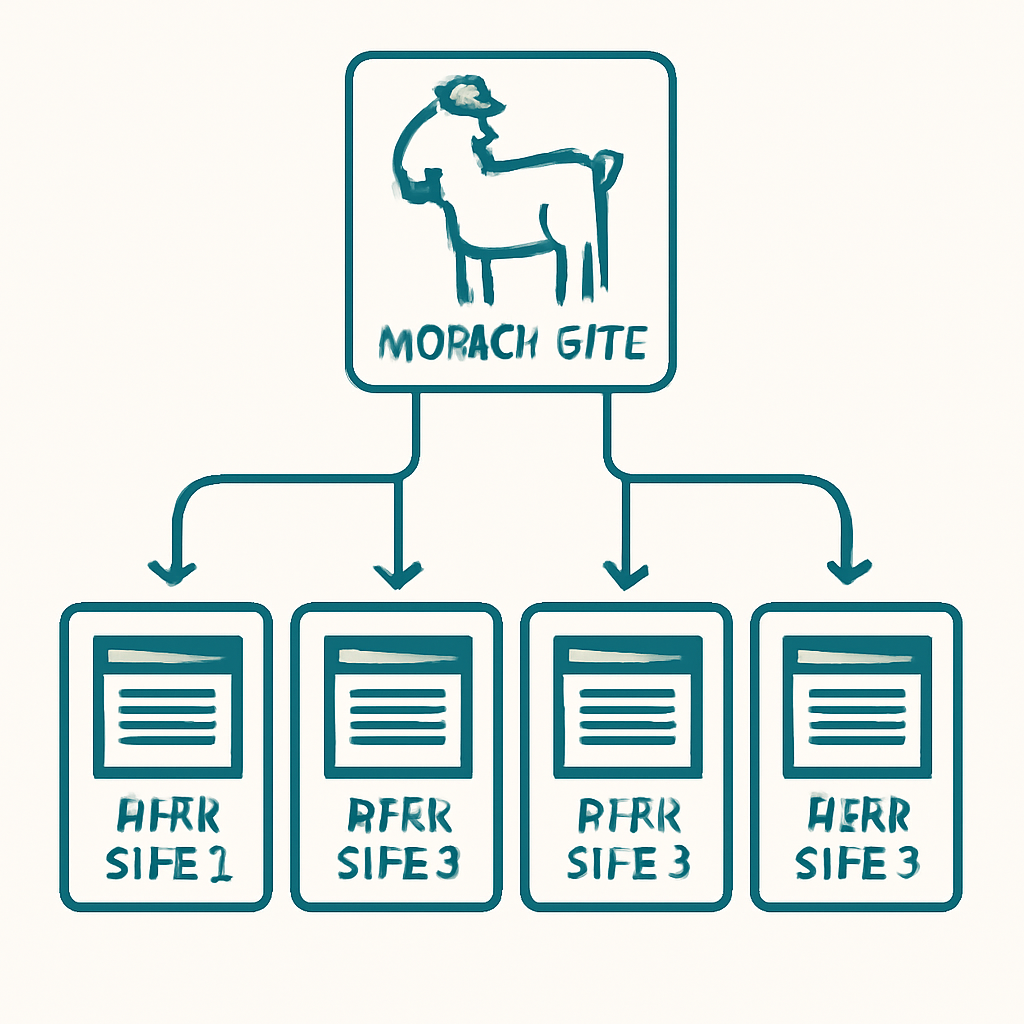
goatpbn is a data-driven framework designed for ethical private blog networks that delivers measurable SEO value without compromising audience trust. By prioritizing content quality, relevance, and transparent disclosure, this approach creates sustainable link-building for blogs and minimizes penalties from search engines. Treating content like goat farming basics—thorough preparation, credible sourcing, and consistent care—keeps the network healthy. The goatpbn method also echoes goat nutrition and care principles: verify sources, maintain current information, and present practical tips such as goat breeding tips responsibly. This foundation supports private blog networks for seo that scale with integrity and reliability.
What goatpbn is and how it works
Definition
A data-driven framework for ethical private blog networks.
Core components
Content quality, relevance to audience, and transparent disclosure.
goatpbn guide for beginners
Foundational principles
Ethics first; niche focus; content audits; value-driven metrics.
Common early-stage pitfalls to avoid
Thin content, automation, undisclosed links; watch platform policies.
Why ethics matter in private blog networks
Long-term SEO stability
Ethical networks reduce penalties and protect rankings.
Compliance with platform policies and audience trust
Disclosures, anti-spam, and reputation protection.
Transitioning from theory to practice, apply goatpbn with discipline and clarity. View goat farming basics and nutrition as a lens for content quality: vet sources, verify data, and disclose connections. This ethics-first approach keeps readers engaged, reduces risk, and preserves long-term rankings while maintaining effective link-building for blogs.
Goat farming basics and nutrition as a lens for content quality
A solid foundation in goat farming basics translates directly into stronger content quality. When routines are clear, signals are reliable, and care is consistent, the outcome—whether livestock health or audience trust—follows. The goatpbn concept serves as a practical lens for balancing inputs, signals, and risk in a way that maps neatly to content strategy.
goat farming basics
Key goat breeds and routine farm setup
- Common starter breeds: Nubian for milk with friendly temperament, Boer for meat, and Alpine for hardiness and milk. Each breed shapes housing needs and feeding plans.
- Routine farm setup: secure fencing (4–5 ft high with solid gates), well-ventilated shelter, and a dedicated kidding/milking area. Plan for per-animal space, clear feeder lanes, and a clean water system.
- Daily rhythm: dawn feeding, mid-morning health checks, afternoon hay refresh, and evening shelter checks. Keep a simple log for weight, kidding, and illness signs.
Seasonal care and environmental needs
- Winter: windbreaks, dry bedding, insulated waterers, and increased roughage to maintain condition.
- Summer: ample shade, cross-ventilation, fly control, and constant access to clean water; adjust mineral mixes to electrolyte balance.
- Year-round: predator protection, routine vaccinations, parasite monitoring, and a scalable bedding/pen-cleaning cadence.
goat nutrition and care: analogies for content health
Balanced inputs and quality signals
- Balanced inputs mirror a content mix: solid factual data, credible sources, and diverse formats (how-tos, case studies, FAQs). This creates signal richness similar to a well-rounded goat diet: hay, grains, minerals, and fresh water.
- Quality signals include clear author expertise, accurate internal linking, up-to-date references, and reader-friendly structure. The aim is steady, sustainable growth in trust and engagement, not quick spikes.
Water, shelter, and consistent monitoring analogies
- Water = data and updates. Regularly refreshed facts, fresh examples, and current trends keep content viable.
- Shelter = site structure and formatting. Logical hierarchies, clean headings, and scannable blocks protect readability and crawlability.
- Monitoring = analytics and audits. Track dwell time, scroll depth, and return visitors; perform quarterly content audits to prune outdated insights and reinforce evergreen value.
goatpbn alternatives for seo
Ethical content networks vs spammy tactics
- Ethical networks prioritize editorial control, relevance, and transparency. Guest posts, collaborations, and resource page links can build authority without risking penalties.
- Avoid spammy tactics. Networks offering bulk, unrelated, or paid links often cannibalize long-term value and invite manual actions.
Quality signals and risk considerations
- Focus on defensible signals: expert authorship, original research, and high-quality backlinks from relevant domains.
- Weigh risk: private blog networks or low-quality cross-links can compromise credibility and search performance. Build with intention, not shortcuts.
That lens clarifies why goatpbn safety and ethical considerations matter, ensuring content quality remains resilient and responsible.
goatpbn safety and ethical considerations
goatpbn strategies demand rigorous governance to protect credibility and long-term SEO value. By aligning safety, transparency, and accountability with platform rules and ethical norms, you reduce risk while preserving content quality and audience trust. Drawing on goat farming basics—steadiness, care, and measured inputs—helps structure ethical decision-making around every link and disclosure.
goatpbn safety and ethical considerations
Governance and disclosure framework
- Establish clear policies that prohibit deceptive practices and link schemes. No paid or hidden links masquerading as editorial content.
- Create a disclosure standard: if any network-related links appear, mark them with a visible note and maintain a public governance page detailing disclosure practices.
- Assign ownership: a senior editor or compliance lead reviews all cross-linking decisions and maintains an auditable trail.
Content quality safeguards
- Enforce minimum quality signals for pages participating in goatpbn activities: topical relevance, original media, accurate facts, and no thin or duplicate content.
- Require regular relevance checks: quarterly audits to verify that linked assets still align with the host article and audience intent.
- Include a retention policy for links: remove or update links that become irrelevant or violate policies, mirroring responsibilities in dependable goat farming practices where inputs must remain suitable for ongoing health.
risk management and compliance
Platform policies, terms, and penalties
- Map each platform’s terms of service, site-wide rules, and penalties (de-indexing, manual penalties, or bans) for non-compliance.
- Maintain a living risk register that flags high-risk domains, content motifs, and link configurations; adjust strategy before penalties loom.
- Align with search engine guidelines to avoid aggressive linking patterns that trigger anti-spam measures.
Regular audits and governance checks
- Schedule quarterly governance checks alternating between editorial, technical, and outreach components.
- Use an independent reviewer for a biannual integrity audit to verify disclosure adherence and link authenticity.
- Implement a change-log that records edits to link placement, anchor text, and partner domains.
measurement, transparency, and accountability
KPIs and ethical benchmarks
- Track ethical compliance: disclosure rate, proportion of links with contextual relevance, and incidence of policy violations.
- Monitor quality signals: average time on page, bounce rate for linked articles, and topic relevance scores for networked content.
- Define an ethics scorecard with thresholds (e.g., ethics index > 85/100, disclosure compliance > 95%).
Public methodology where feasible
- Where appropriate, publish a concise methodology for goatpbn usage, including governance steps, measurement approaches, and audit cadence.
- Provide a transparent pathway for feedback and remediation requests from readers or partners.
- Share results publicly when they demonstrate sustained quality, openness, and adherence to platform policies, reinforcing trust in goat farming SEO tips and broader content networks.
goatpbn FAQ
Goatpbn sits at the crossroads of goat farming basics and SEO strategy. It describes a tightly curated network of thematically relevant blogs used to support credible, natural linking for goat-related sites.
What is goatpbn?
Goatpbn is a private blog network approach focused on the goat niche. It links blogs covering goat farming basics, goat nutrition and care, and goat breeding tips to build topic authority and traffic, all under solid editorial standards.
Practical steps
- Build a small, tightly themed group of 4–6 domains with solid hosting and relevant content.
- Publish original, goat-focused articles on nutrition, care, and breeding.
- Use diverse, natural anchor text and monitor quality to avoid manipulation.
Is goatpbn safe and ethical for SEO?
PBNs are scrutinized by search engines and carry real risk. When used to manipulate rankings or with low-quality content, they can trigger penalties and trust loss. Ethical concerns grow from lack of transparency and relevance.
Ethical guidelines
- Favor earned links through guest posts, partnerships, and value-adding content.
- Maintain transparency and high-quality standards; avoid cloaking or spammy tactics.
- Combine any network activity with legitimate goat farming seo tips and broad content outreach.
What are goatpbn alternatives for seo?
Focus on legitimate growth channels that build lasting authority.
Alternatives to consider
- Create high-value goat farming guides and linkable resources.
- Proactive outreach to agricultural blogs for guest posts.
- Strengthen internal linking and publish data-driven, practical content.
Conclusion and next steps for ethical goatpbn practice
Ethical goatpbn practice centers on transparency, governance, and value creation. When the concept is oriented toward shares of content about goat farming basics, goat nutrition and care, and responsible link-building, it supports readers rather than gaming search results. The goal is to improve discovery for legitimate goat farming resources while preserving trust, accuracy, and long-term performance.
Key takeaways for practitioners
Ethics, data-driven decisions, and ongoing monitoring
Establish a clear ethics charter that bans manipulative tactics, cloaking, and deceptive disclosures. Build data-driven decision loops: monitor backlink quality, editorial standards, and user signals with dashboards using Search Console, analytics, and content-quality scores. Schedule monthly audits to prune low-value links and ensure new placements meet relevance to goat farming basics and goat nutrition and care. Real-world cue: if a partner site shows rising bounce rates or declining time on page, reevaluate its fit and disclose any sponsored arrangements to readers if applicable.
Balance quality and scale in network growth
Set objective quality thresholds for network partners (topic relevance, editorial standards, and domain health). Grow cautiously—start with 2–3 high-quality partnerships per quarter, then scale based on measurable impact. Invest in original, useful content across the network that complements goat farming seo tips and avoids thin or duplicate material. Track metrics like referral quality, average session duration, and conversion rate for newsletter signups or inquiries about goat care.
Implementing goatpbn ethically at scale
Clear governance, disclosure, and risk controls
Define governance roles (editorial lead, risk owner, compliance review), publish a disclosure policy for paid or affiliate content, and maintain a risk register. Enforce non-manipulative linking practices and require third-party audits of link sources. Implement content-review gates to prevent spammy tactics and ensure posts on goat farming basics and goat nutrition and care meet accuracy standards.
Gradual rollout with rigorous testing and measurement
Run a controlled pilot with a small set of domains for 8–12 weeks. Use pre/post measurements of organic traffic, indexation, and engagement metrics. Apply learnings to refine guidelines, then incrementally scale, maintaining transparent reporting to stakeholders and ensuring alignment with user intent and ethical guidelines.
goat farming seo tips
Align content with user intent, avoid spammy tactics
Research long-tail queries around goat farming basics and goat nutrition and care. Create comprehensive guides, how-tos, and checklists that answer real questions without keyword stuffing. Maintain E-E-A-T signals: expert authors, cited sources, and up-to-date information. Ensure all content serves readers first, not just links.
Track impact with transparent, repeatable metrics
Define clear KPIs: organic sessions, pages per session, and referrals from network sites; use UTM tagging for attribution and maintain a repeatable dashboard. Establish quarterly reviews to compare content quality, traffic, and engagement—adjust strategy based on objective data, not surges in rankings alone.












+ There are no comments
Add yours